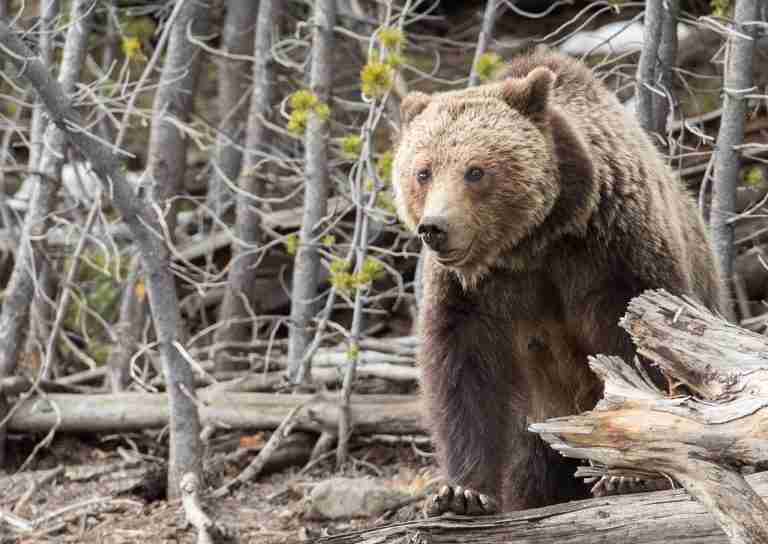
Fifty years after grizzlies went on the endangered species list, the federal government is proposing to put their day-to-day management back in the hands of the states that actually live with them. And the clock on public comment runs out August 17.
On July 14, Interior Secretary Doug Burgum announced a revised rule under section 4(d) of the Endangered Species Act that would shift day-to-day grizzly bear management in the Lower 48 from federal wildlife managers to state agencies in Montana, Idaho, and Wyoming. The proposal was published in the Federal Register on July 17, and the U.S. Fish and Wildlife Service is taking public comments through August 17, 2026.
Here’s the part that matters: grizzlies would stay listed as threatened under the ESA. This is not delisting. But it’s the biggest move toward state management — and eventually, possibly, a hunt — since the bears were first protected in 1975.
What the Rule Actually Does
When grizzlies were listed, there were only 700 to 800 bears left in the Lower 48. Today there are more than 2,000, with the Yellowstone and Northern Continental Divide populations long past their recovery targets.
The proposed rule acknowledges that math. It would let state and tribal wildlife agencies activate their own management plans in coordination with the Fish and Wildlife Service, and it gives ranchers and agencies more flexibility to deal with conflict bears — the ones killing cattle, breaking into grain sheds, and showing up on porches in places like the Madison Valley and the Wind River front.
Montana FWP Director Christy Clark called it a “dress rehearsal for delisting.” That’s exactly how to read it. The states get to prove they can manage grizzlies responsibly while the federal listing stays in place as a backstop.
Does This Mean a Grizzly Season Is Coming?
Not tomorrow. Nothing in this rule authorizes a hunt, and Montana has already committed to a five-year post-delisting moratorium on grizzly hunting to show good faith. Delisting would still require a separate rulemaking after the recovery boxes are checked — and conservation groups like Earthjustice have already signaled they’ll sue to stop it.
But the direction of travel is unmistakable. The Boone and Crockett Club summed it up well: grizzly conservation has moved from the problem of too few bears to the reality of abundant bears. Wyoming and Idaho both approved hunts after the 2017 Yellowstone delisting — Montana held off — before a federal court restored protections in September 2018. We broke down that whole saga — and what a Lower 48 grizzly hunt might look like — in our grizzly delisting explainer.
If you’re a hunter, this is the week to be heard. Comments are open through August 17 — start at the Fish and Wildlife Service’s grizzly rulemaking page. It takes five minutes, and a thoughtful comment from a hunter carries real weight in the record.
You Don’t Have to Wait 50 Years to Hunt a Grizzly
While the Lower 48 sorts itself out, huntable grizzly populations are thriving right now in Alaska and northern Canada. We’ve stood over these bears ourselves — our film A Brush With Death came out of an arctic grizzly hunt that got closer than anyone planned.
If a grizzly is on your list, these are the hunts we book:
- Alaska Grizzly Bear Hunting — the classic, in the biggest bear country on earth
- Arctic Grizzly Bear Hunt — Northwest Territories — spot-and-stalk barren-ground grizzlies on the open tundra
- Arctic Grizzly Bear Hunt — Nunavut — as remote as North American hunting gets
We talk bear politics, bear hunts, and everything in between on the Hunt Podcast — worth a listen on your next drive.
The Takeaway
Grizzly recovery is one of the great conservation wins in American history, and hunters helped fund it. Handing management back to the states is what the Endangered Species Act was always supposed to do when a species recovered. Submit your comment by August 17, then keep an eye on this one — the comment record will shape what comes next.
Want to talk grizzly hunts, or get on the list for when the Lower 48 finally opens? Reach out — real hunters answer, and browsing every hunt we offer costs nothing.
Hunting is not a hobby. It’s an obsession.