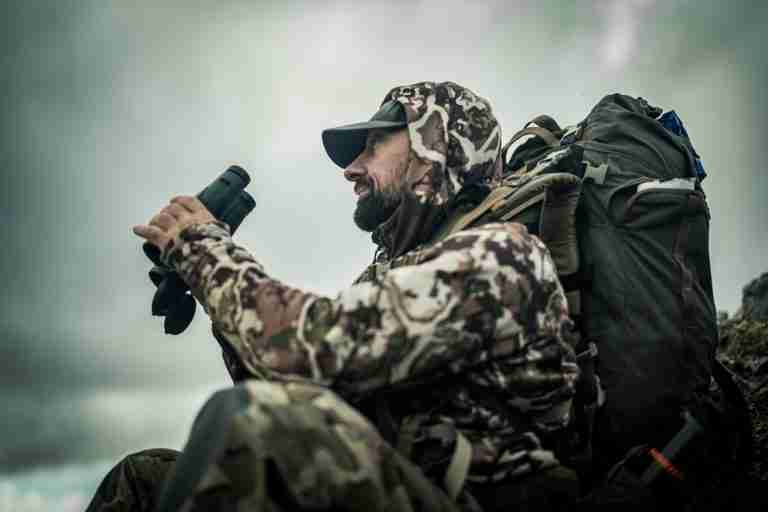
If you spend October chasing elk and November chasing whitetails, spring bear is the eight-month gap nobody fills. It is the closest thing left in the lower 48 to a real western adventure that does not require a decade of elk preference points or a five-figure budget. And right now, the last week of April, the hunt is peaking across the West.
The green-up is the whole game
Bears come out of the den hungry, narrow, and looking for one thing: the first green grass on a south-facing slope. That is where they live for the next three to four weeks before they push back into the timber for berries.
If you remember nothing else, remember this: hunt the green, not the bear. When you find the brightest, earliest grass on a sunny avalanche chute or a logged hillside, you have found bear groceries. Glass it morning and evening. They will show up.
How to read the green-up where you hunt
- Lower elevations green up first. Start glassing south slopes at 3,000 to 4,500 feet, then chase the green uphill as the snow line retreats.
- Old logging cuts, burns from two to ten years ago, and avalanche chutes hold the most grass and forbs.
- Once it gets too warm during the day, bears move at dawn and the last 90 minutes of light. Be in your glassing spot before legal shooting light or you have already lost the morning.
Color-phase bears are not rare out West
This is the part most eastern hunters do not understand. In the West, black bears are not always black. Cinnamon, chocolate, blonde, and even rare blue-gray glacier-phase bears are real, and on some units the color-phase ratio runs 30 to 40 percent or higher. Idaho, western Montana, central British Columbia, and parts of Alberta all produce a steady supply of cinnamons every spring.
That single fact changes the hunt. You are not just trying to fill a tag, you are picking the bear you actually want on the wall. If a chocolate sow with cubs walks out at 200 yards and a rugged blonde boar slides out 30 minutes later, you can wait. That is a luxury you do not get on most western hunts.
How to judge a boar from a sow at distance
- Boars look like cinder blocks with legs. Heavy front shoulders, a low-slung belly, small-looking ears set wide apart.
- Sows look like greyhounds. Taller in the front, narrow chest, ears that look big and pointed.
- If a bear hangs around the same opening for an hour without ever scenting the wind, it is almost always a sow with cubs nearby. Glass longer before you commit.
- If you see two bears together that are not a sow with cubs, you are watching a boar dogging a sow in heat. The boar will be the bigger one and worth the stalk.
Gear that actually matters in May and June
Spring bear is the only western hunt where you can have a foot of snow at sunrise and a 70-degree afternoon at the truck. Pack like you are hunting two seasons.
The short list
- Glass. A tripod-mounted 10×42 or 12×50 binocular is the single most important piece of gear on a spring bear hunt. You will spend more time glassing than walking.
- Quiet rain gear. It will rain. Most years it rains a lot. Cheap nylon shells sound like a snare drum when you stalk in wet alders.
- Knee-high rubber boots for some hunts, light leather boots for others. Ask your outfitter. British Columbia coastal hunts and Alberta swamps need rubber. Idaho and Montana logging country need real boots.
- A bear-rated game bag and citric acid. Spring bears are fat coming out of the den. The hide spoils fast in 70-degree afternoons. Get the hide off the meat and into shade within an hour. (And if you have never cooked bear, our Wild Game Cookbook has a coffee-spiced grilled bear tenderloin recipe that will change your mind about bear meat.)
- Bug head net. By late May the black flies and mosquitoes can run you off the mountain. Treat your clothes with permethrin a week before you fly.
How to pick a spring bear outfitter that is not a tourist trap
This is where most hunters get burned. There are great spring bear outfitters and there are guys running over-pressured baits with no real boars left by week three. (We do this vetting for our clients — our consultants only book outfitters they would send their own families to.) Ask these questions before you wire a deposit.
Five questions every spring bear booker should ask
- What is your boar-to-sow ratio on harvested bears? A real outfitter will tell you. If they will not, walk away. You want a place that protects sows, especially sows with cubs.
- What is your color-phase percentage in a typical year? If they are advertising 50 percent color-phase, ask how many bears they actually killed last year and how many were color. Make them show numbers.
- Spot-and-stalk, baited, or hounds? All three are legitimate. Pick the style that matches what you actually want. Spot-and-stalk over green-up is the most physical and the most rewarding. Bait is the highest opportunity. Hounds is the most exciting if it is legal in that state or province.
- How many hunters per guide and per area? One-on-one is best. Two-on-one is fine if the country is big. If they put three hunters on one guide, the third hunter is filler.
- What is the weather plan? A good outfitter has a Plan A for cold late spring, Plan B for hot dry green-up, and Plan C for non-stop rain. If they only have one playbook, they only kill bears in one kind of year.
Why now is the moment to book
Spring bear seasons run from early April into late June across the West, peaking in the last two weeks of May. If you are reading this and have not booked, the 2026 spring window is closing, but a handful of cancellation spots open up every May. And 2027 dates always book up by the end of summer.
If a true western adventure with real chance at a color-phase boar sounds like your kind of hunt, take a look at our Alberta black bear hunt hosted by Chase or our spot-and-stalk Montana black bear hunt. Both are vetted, both run small group sizes, and both consistently produce shooter boars in the right window. Want to add a wolf tag? Pair the Alberta hunt with our Alberta wolf hunt in the same trip.
Spring bear will not stay underrated forever. Get on one before everyone else figures it out.