
Alaska Hunting Trips: The Ultimate Guide to Hunting the Last Frontier
Alaska is the hunt every serious hunter thinks about. Not casually — it’s the one that sits in the back of your mind while you’re scanning ridgelines in Colorado or packing out an elk in Montana. It’s the place where everything is bigger, wilder, and more remote than anything you’ve experienced in the Lower 48. And it absolutely lives up to the hype.
We’re talking about a state twice the size of Texas, with more coastline than the rest of the US combined, and a human population smaller than most mid-size cities. Grizzly bears that weigh over 1,000 pounds. Bull moose with 70-inch racks. Dall sheep on peaks where you’re the first person to stand in years. This isn’t a destination you add to a list — it’s the list.
But Alaska hunting trips aren’t something you wing. They’re expensive, physically demanding, logistically complex, and unforgiving if you go in unprepared. This guide breaks down everything — species, regions, costs, what to expect, and how to make sure your Alaska hunt is worth every dollar and every mile.
Why Alaska Is the Top Hunting Destination in North America
There are a lot of great places to hunt. The Rocky Mountain West, the Canadian provinces, even parts of the Southeast for whitetail. But Alaska stands alone, and it’s not close. Here’s why:
- The biggest animals on the continent: Alaska grows the largest moose, the largest brown bears, and some of the most impressive caribou on the planet. The genetics, the habitat, and the sheer lack of human pressure combine to produce animals you simply won’t find anywhere else.
- True wilderness: Most of Alaska is only accessible by bush plane, boat, or on foot. There are no roads, no cell towers, no trailheads with parking lots. When you hunt Alaska, you’re in real wilderness — the kind that barely exists anymore.
- Species diversity: In a single trip, you can hunt grizzly bear, moose, caribou, Dall sheep, black bear, mountain goat, and sitka blacktail deer. No other state or province offers that range of big game in one place.
- It’s a bucket-list experience: Forget the harvest for a second. Just being in Alaska — flying over glaciers in a Super Cub, watching salmon run up a river while a sow and cubs fish 200 yards away, glassing Dall sheep on a ridge at 10,000 feet — that experience alone is worth the trip.
- Tag availability: Unlike many Lower 48 states where draw odds are brutal, Alaska offers over-the-counter tags for most species to non-residents. You don’t need to burn 20 years of preference points. You just need to book the trip.
If there’s a downside, it’s the price tag. Alaska hunting trips are the most expensive in North America. But for the hunters who go, the universal response is the same: it was worth every penny.
Alaska Big Game Species
Alaska offers more big game species than any other state. Here’s what you can chase and what makes each one special.
Grizzly Bear / Brown Bear
Alaska is the grizzly capital of the world. Interior grizzlies average 400-700 pounds, while coastal brown bears (same species, just better fed on salmon) can push 1,000-1,400 pounds. A big coastal brown bear is the largest land predator on earth. Hunting one is an experience that rewires your nervous system — there is nothing like tracking a predator that can kill you.
Most grizzly hunts are either spring (May-June, bears coming out of dens) or fall (September-October, bears on salmon streams or feeding on berries). Coastal hunts on the Alaska Peninsula and Kodiak Island produce the biggest bears. Interior hunts offer grizzlies in combination with moose or caribou.
We offer a guided Alaska grizzly bear hunt starting at $16,500 — a dedicated hunt with an experienced outfitter in prime bear country.
Moose (Alaska-Yukon Subspecies)
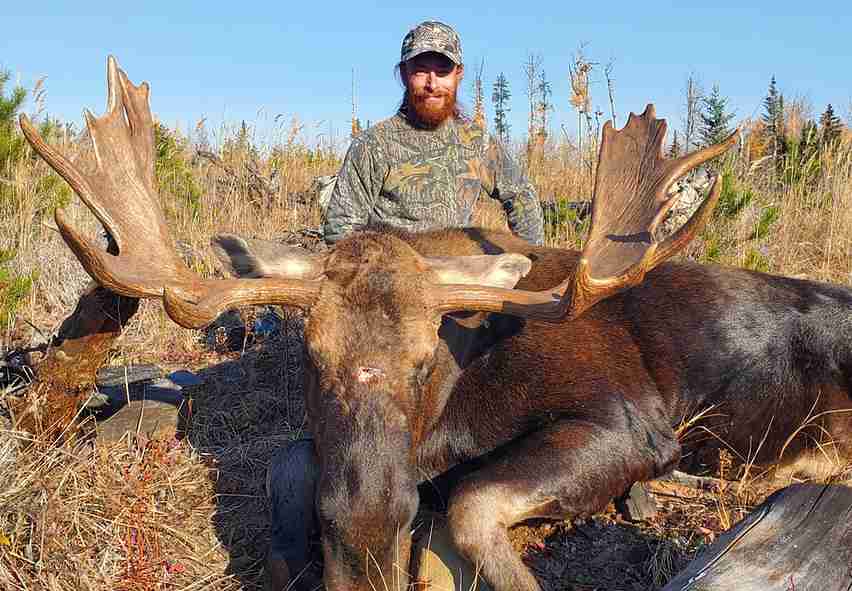
The Alaska-Yukon moose is the largest subspecies on the planet. A mature bull can weigh 1,600-1,800 pounds and carry antlers spreading 60-70+ inches. These are the moose that make the cover of every hunting magazine, and they only live in Alaska, the Yukon, and parts of western Canada.
Moose hunts in Alaska typically run in September during the rut, when bulls respond to cow calls and are actively seeking. Most hunts are fly-in operations to remote camps, and success rates with quality outfitters are strong.
Caribou
Alaska is home to multiple caribou herds, some numbering in the hundreds of thousands. Caribou hunting is often combined with moose or grizzly hunts, making it a great add-on species. Bulls in full velvet or hard-antler are stunning animals, and caribou meat is some of the best wild game you’ll ever eat.
Most caribou hunts target the fall migration (August-September) when large herds move through predictable corridors. Fly-in hunts to intercept migrating herds can be incredibly productive.
Dall Sheep
If you want the hardest hunt in North America, this is it. Dall sheep live above treeline in Alaska’s mountain ranges — the Brooks Range, the Alaska Range, the Wrangells, the Chugach. A Dall sheep hunt means 10-14 days living above 5,000 feet, hiking ridgelines, glassing basins, and making stalks in terrain that would make a mountain goat nervous.
Dall sheep hunts are the most expensive and physically demanding hunts in Alaska — typically $20,000-$35,000+ for a guided hunt. But putting your hands on a full-curl ram after a 10-day mountain hunt is something that changes you.
Black Bear
Alaska’s black bears are often overlooked, but they shouldn’t be. The state produces some of the largest black bears in North America, and tags are easy to get. Black bear is often available as an add-on to a grizzly, moose, or deer hunt — a great way to add a second species to your trip without adding major cost.
Mountain Goat
Mountain goat hunting in Southeast Alaska is a bucket list within a bucket list. These hunts are typically boat-based — you cruise the fjords and coastline, glass the cliffs, then climb to the goats. It’s physically demanding and visually stunning. Mountain goat hunts are limited by permit in some areas, so availability can be tighter than other species.
Sitka Blacktail Deer
Southeast Alaska and Kodiak Island offer Sitka blacktail deer hunting that’s accessible, affordable (by Alaska standards), and a blast. These hunts can be combined with bear or goat hunts, and they’re a great entry point for hunters who want to experience Alaska without the $20K price tag.
Best Regions for Alaska Hunting Trips
Alaska is massive, and where you hunt matters as much as what you hunt. Each region offers different species, terrain, and experiences.
Alaska Peninsula
The Alaska Peninsula is ground zero for giant brown bears. The combination of salmon streams, lush vegetation, and remote wilderness produces some of the largest bears taken every year. If your goal is a trophy brown bear, this is where you go. The Peninsula also offers excellent moose and caribou hunting.
Expect fly-in access, weather delays, and some of the most dramatic landscapes you’ll ever see — volcanic peaks, tundra valleys, rivers choked with salmon. It’s raw and beautiful.
Kodiak Island
Kodiak is legendary for one thing: Kodiak brown bears. These bears are genetically distinct and some of the largest in the world. A guided Kodiak bear hunt is one of the most iconic hunts on the planet. Kodiak also has excellent Sitka blacktail deer hunting and mountain goat opportunities.
Access is by floatplane or boat from the town of Kodiak. Hunts are typically 10-14 days and weather-dependent.
Interior Alaska
The vast interior — from the Alaska Range north to the Brooks Range — is prime moose and caribou country. This is where you’ll find the classic Alaska moose hunt: fly in to a remote lake, set up camp, call bulls during the rut. Interior Alaska also offers grizzly bear (smaller than coastal bears, but still impressive) and Dall sheep in the higher elevations.
The interior is more accessible than the Peninsula or Kodiak, with more outfitter options and a wider price range.
Southeast Alaska
The panhandle of Alaska — Juneau, Sitka, and the surrounding islands — offers a completely different hunting experience. Think temperate rainforest, ocean fjords, and mountain terrain. Southeast is the place for Sitka blacktail deer, mountain goat, and black bear. It’s also the most affordable region to hunt in Alaska.
Many Southeast hunts are boat-based, operating from a mothership that serves as your floating base camp. It’s an incredible way to experience Alaska’s coastline.
What Alaska Hunting Trips Actually Cost
Let’s be straight: Alaska is expensive. This isn’t Colorado where you can buy an OTC elk tag for a few hundred bucks and camp out of your truck. Between guide fees, bush plane charters, licenses, and travel, an Alaska hunt is a serious financial commitment. But knowing what to expect helps you budget and plan.
| Species | Region | Price Range | Duration |
|---|---|---|---|
| Grizzly / Brown Bear | Alaska Peninsula / Kodiak | $16,500 – $35,000 | 10-14 days |
| Moose (Alaska-Yukon) | Interior | $18,000 – $28,000 | 7-14 days |
| Caribou | Interior / Arctic | $8,000 – $16,000 | 7-10 days |
| Dall Sheep | Alaska Range / Brooks Range | $22,000 – $38,000 | 10-14 days |
| Mountain Goat | Southeast | $12,000 – $20,000 | 7-10 days |
| Sitka Blacktail Deer | Southeast / Kodiak | $5,000 – $10,000 | 5-7 days |
| Combo (Moose + Caribou) | Interior | $22,000 – $32,000 | 10-14 days |
| Combo (Brown Bear + Deer) | Kodiak | $20,000 – $35,000 | 10-14 days |
What’s Included in the Price
Most guided Alaska hunting packages include:
- Professional guide services (typically 1 guide per 1-2 hunters)
- Bush plane or boat charters to and from the hunting area
- Meals and lodging (lodge, wall tents, or spike camps depending on the operation)
- Field care — skinning, caping, and initial meat processing
- Game retrieval from the field
- Trophy preparation for transport
What’s NOT Included (Budget for These)
The sticker price isn’t the whole picture. Plan for these additional costs on top of the guide fee:
- Non-resident hunting license: $160
- Species tags: $25 (caribou) to $1,000 (brown bear) — varies by species
- Flights to Alaska: $500-$1,500 from the Lower 48
- Meat processing and shipping: $400-$800
- Taxidermy: $1,500-$5,000+ depending on mount type
- Gear: $500-$2,000 if you need to upgrade rain gear, boots, optics, etc.
- Guide gratuity: 10-15% of the hunt cost is standard and expected
- Hotel nights: Plan for 1-2 nights in Anchorage or another gateway city before and after your hunt
Total all-in cost for a typical Alaska grizzly bear hunt: plan on $20,000-$25,000 once you factor in travel, tips, tags, and taxidermy. For a moose or combo hunt, budget $25,000-$40,000 all-in.
Is it a lot of money? Absolutely. But consider this: most of these hunts are once-in-a-lifetime experiences. You’re paying for access to wilderness and animals that don’t exist anywhere else. And the outfitters who operate in Alaska have massive overhead — bush planes, remote camps, fuel, insurance — that drives the cost.
Explore Alaska & Big Game Hunts
Grizzly bear, moose, and more — the hunts of a lifetime.
Types of Alaska Hunting Trips
How you hunt in Alaska depends on the terrain, the species, and the outfitter. Here are the most common hunt types you’ll encounter.
Fly-In Hunts
The most common format for Alaska big game hunts. A bush plane — usually a Super Cub, Beaver, or Otter — flies you and your guide to a remote airstrip, lakeshore, or gravel bar. From there, you hunt from a base camp or spike camps on foot. Fly-in hunts are the classic Alaska experience: total wilderness, no other hunters, and no way out except the way you came in.
Weather is the wildcard. Bush planes don’t fly in bad weather, and Alaska weather changes fast. Plan for at least 1-2 weather days on either end of your hunt. Your outfitter will build this into the schedule, but delays happen. Pack patience along with your rifle.
Best for: Moose, caribou, grizzly bear, and Dall sheep hunts in the interior and Arctic.
Boat-Based Hunts
Popular for coastal brown bear hunts on the Alaska Peninsula and mountain goat hunts in Southeast Alaska. You operate from a mothership or skiff, cruising coastlines, river mouths, and fjords. The boat serves as your base camp — warm bunks, hot meals, and the ability to cover huge amounts of country by water.
Boat-based hunts are a great option for hunters who want the Alaska experience without the extreme backcountry camping. You still hunt hard, but your base camp has a roof and a galley.
Best for: Brown bear, mountain goat, Sitka blacktail deer, and combo hunts along the coast.
Base Camp Hunts
Some outfitters run established base camps — comfortable wall tents or small cabins in proven hunting areas. You hunt on foot from camp each day, returning to a warm tent and hot food each evening. Base camp hunts offer a good balance between comfort and access to quality hunting.
Best for: Hunters who want the wilderness experience but prefer a more structured camp setup. Good for first-time Alaska hunters.
Backpack / Spike Camp Hunts
The most physically demanding option. You and your guide carry everything on your backs and set up lightweight spike camps as you move through the country. This is the go-to method for Dall sheep hunts, where you need to cover miles of mountain terrain to find rams.
Best for: Dall sheep, mountain goat, and interior grizzly hunts for physically fit, experienced hunters.
What to Expect on an Alaska Hunting Trip
Alaska is not like hunting anywhere else. The scale, the weather, the remoteness — it’s all cranked up. Here’s what to prepare for.
Weather
Alaska weather is unpredictable and often terrible. On the Alaska Peninsula, you can get sideways rain for days straight. In the interior, temperatures can swing from 60 degrees to below freezing in 24 hours. In the mountains, you’ll deal with wind, snow, and fog that can shut down a hunt for days.
Quality rain gear is the single most important piece of equipment you’ll bring. Not water-resistant — waterproof. A good Gore-Tex or similar system for top and bottom, plus waterproof boots with at least 400g of insulation. You will get wet. The question is whether you stay warm when you do.
Remoteness
On most Alaska hunts, you are genuinely remote. No cell service, no roads, no help coming if something goes wrong (beyond your guide’s satellite communication). This is part of what makes Alaska special, but it also means you need to be mentally prepared for true isolation.
If you have a medical condition, make sure your guide knows about it. If you take medication, bring extra in case weather delays extend your trip. And make sure someone back home knows your itinerary and expected return date.
Logistics and Travel
Getting to your hunt area is an adventure in itself. A typical Alaska hunting trip looks like this:
- Fly commercial to Anchorage (or sometimes Fairbanks, Juneau, or Kodiak)
- Overnight in a hotel — your outfitter will usually recommend one
- Charter flight or bush plane to your hunting area (this could be 1-4 hours of flying)
- Hunt for 7-14 days depending on the species
- Fly out, overnight in town, then fly home
Build buffer days into your travel plans. Weather delays are not a possibility — they’re a probability. Don’t book a return flight for the day after your hunt ends. Give yourself 2-3 extra days.
Physical Requirements for Alaska Hunts
Alaska hunting is more physically demanding than most Lower 48 hunts. How demanding depends on the species and hunt type, but here’s an honest breakdown:
- Coastal brown bear (boat-based) — Moderate: You need to handle uneven tundra, creek crossings, and potentially long stalks over spongy ground. But the boat does most of the traveling. Most reasonably fit adults can handle this.
- Moose (fly-in) — Moderate to High: Expect to hike 3-8 miles per day through boggy terrain, willows, and thick brush. Once you kill a moose, the real work begins — packing hundreds of pounds of meat to a pickup point.
- Caribou — Moderate: Caribou hunting typically involves hiking tundra and waiting for herds to move through. The terrain is open but uneven, and distances can be long. Not as brutal as moose or sheep, but you need to be able to cover ground.
- Dall sheep — Extreme: This is the hardest hunt in North America, period. You will hike 8-15 miles per day at elevation, carrying a heavy pack, in unpredictable mountain weather. If you’re not in serious cardiovascular shape, don’t book a sheep hunt. Start training at least 6 months out — hiking with a 50-60 pound pack on steep terrain.
- Grizzly bear (interior/fly-in) — Moderate to High: Similar to moose hunting in terms of terrain and daily mileage. You’re covering ground, glassing, and making stalks. The terrain can be brutal — alders, creek bottoms, and sidehill traverses.
Be honest with yourself and your outfitter about your fitness level. A good outfitter will tell you exactly what to expect and help you prepare. There’s no shame in choosing a hunt that matches your physical capabilities — a coastal brown bear hunt from a boat is just as thrilling as a sheep hunt in the mountains.
Best Time of Year for Alaska Hunting by Species
Alaska’s hunting seasons are relatively short compared to the Lower 48, and timing matters. Here’s when to go for each species:
- Brown Bear / Grizzly (Spring): May – June. Bears emerge from dens and congregate on south-facing slopes and river bottoms. Hides are in prime condition. Spring is the preferred season for many bear hunters.
- Brown Bear / Grizzly (Fall): September – October. Bears are fattening up on salmon and berries before denning. Coastal hunts on salmon streams can produce incredible encounters. Bears are at their heaviest but hides may be rubbed.
- Moose: September. The rut is on, bulls are responsive to calling, and the weather is usually decent. Early to mid-September is prime time. This is the window — there’s no “flexible” moose timing in Alaska.
- Caribou: August – September. Target the fall migration when herds move through predictable corridors. Timing the migration is both the challenge and the reward.
- Dall Sheep: August – September. Most rams are taken in August when sheep are on summer range and weather is most stable (relatively speaking).
- Mountain Goat: September – November. Fall hunts after the first snows push goats to more accessible elevations.
- Sitka Blacktail Deer: August – December, with November rut hunts being the most popular.
Most Alaska hunts need to be booked 8-18 months in advance. The best outfitters sell out fast, and prime dates go first. If you’re serious about an Alaska hunt, start planning now — even if you’re targeting next year.
Alaska Fishing and Combo Trip Options
One of the best things about an Alaska trip is the chance to combine hunting with world-class fishing. Alaska’s rivers and coastal waters offer king salmon, silver salmon, halibut, rainbow trout, and more. Many hunters add a few days of fishing before or after their hunt — and honestly, the fishing alone is worth the trip to Alaska.
We offer a King Salmon Camp that’s a perfect add-on to a grizzly bear hunt or a standalone trip for hunters who want to experience Alaska without the price tag of a big game hunt. It’s also a great option if you’re bringing a non-hunting spouse or buddy who wants to experience Alaska.
Our Alaska & Big Game Hunts
We work with experienced outfitters across Alaska and the northern Rockies to offer hunts for every species and budget. Here are our featured Alaska and big game trips:


Not sure which hunt is right for you? Talk to our team — we’ll match you with the right trip.
Frequently Asked Questions About Alaska Hunting Trips
Do I need a guide to hunt in Alaska?
Non-residents are required by law to hire a licensed guide for Dall sheep, mountain goat, and brown/grizzly bear in Alaska. For moose, caribou, black bear, and deer, non-residents can hunt without a guide but must be accompanied by a licensed guide OR a resident relative within second degree of kindred. For most hunters traveling to Alaska for the first time, a guided hunt is strongly recommended regardless of the legal requirements — the logistics alone make it worth it.
How far in advance should I book an Alaska hunt?
Book 12-18 months in advance for the best outfitters and prime dates. Top grizzly and sheep outfitters often sell out a year or more ahead. If you’re flexible on dates, you can sometimes find openings 6-8 months out, but don’t count on it for peak season.
What rifle caliber should I bring for Alaska?
For brown bear and grizzly, bring a minimum of .300 Win Mag. Many guides prefer .338 Win Mag or .375 H&H. For moose and caribou, .30-06 is the minimum — .300 Win Mag is ideal. For Dall sheep and deer, a flat-shooting rifle like a .270, 6.5 Creedmoor, or 7mm Rem Mag works well. Whatever you bring, make sure you can shoot it accurately at 200-300 yards. Alaska is not the place to bring a gun you’ve only shot at the bench.
What’s the success rate on Alaska hunts?
Success rates vary by species, outfitter, and year. Quality guided operations typically see 80-95% opportunity rates on brown bear (spring hunts are generally higher than fall), 60-80% on moose, and 40-60% on Dall sheep. Caribou hunts during active migration can be near 100%. Weather is the biggest variable — a week of bad weather can shut down any hunt.
Can I combine multiple species on one trip?
Yes, and many hunters do. Moose/caribou is the most popular combo. Brown bear and Sitka blacktail deer is common on Kodiak. Grizzly bear hunts in the interior often allow the opportunity to take a caribou or black bear as well. Combo hunts are longer (10-14 days) and more expensive, but the cost per species is lower than booking separate trips.
How do I get my meat and trophy home?
Your outfitter will handle field processing and getting your meat and trophy to a processor in town. From there, you have options: many hunters ship frozen meat home via FedEx or USPS (around $300-$600), and trophies can be shipped to your taxidermist directly. If you drive the Alaska Highway, you can bring everything yourself — some hunters make a road trip out of it.
Is Alaska hunting worth the cost?
Every hunter who’s been will tell you the same thing: yes. The animals, the scenery, the remoteness, the adventure — nothing else compares. It’s not a trip you take every year. But it’s a trip you’ll talk about for the rest of your life. If it’s on your list, start planning and saving. You won’t regret it.
What if I’m not ready for Alaska yet?
If the price tag or physical demands of an Alaska hunt aren’t in the cards right now, consider starting with a remote moose hunt in Alberta or a Montana elk and bear hunt. These trips offer incredible big game hunting at a fraction of the Alaska price, and they’re great preparation for an eventual Alaska adventure. Build your experience, build your fitness, and build your savings — Alaska will be there when you’re ready.
Ready for the Hunt of a Lifetime?
Browse our Alaska hunts and big game adventures — grizzly, moose, and more in the last true wilderness.