
Guided Moose Hunts: Everything You Need to Know Before You Book
There’s a reason moose are called the king of the northern woods. A mature bull can weigh over 1,500 pounds, carry antlers spanning five feet, and disappear into thick timber like a ghost. Hunting one is unlike anything else in North America — and for most hunters, a guided moose hunt is the only realistic way to make it happen.
Whether you’ve been dreaming about calling in a rutting bull in the Alberta foothills or glassing a giant Shiras moose across a Wyoming creek bottom, this guide covers everything — where to go, what it costs, what to expect, and how to pick the right hunt for your goals and your budget.
Why Book a Guided Moose Hunt?
Moose hunting isn’t like elk hunting. You can’t just buy an over-the-counter tag, drive to a trailhead, and start hiking. In most provinces and states, moose tags are extremely limited. Draw odds can be less than 1% for non-residents in some areas. That means most hunters will wait a decade or more to draw a tag on their own — if they ever do.
A guided outfitter changes the equation. Here’s how:
- Tag access: Many Canadian outfitters have guaranteed tag allocations for their clients. No draw, no waiting. You book the hunt, you get a tag.
- Local knowledge: Moose are spread across huge areas of wilderness. A guide who’s spent years in the same territory knows where the bulls are, where they feed, and where they rut.
- Logistics: Getting a 1,500-pound animal out of the backcountry is a serious operation. Guides handle the horses, the meat care, and the extraction so you can focus on the hunt.
- Success rates: Guided moose hunts regularly produce 70-90% opportunity rates, meaning you’ll see shootable bulls. Compare that to a DIY hunt in unfamiliar country where you might not see a legal bull all week.
Bottom line: if moose hunting is on your bucket list, a guided hunt is the fastest and most reliable path to filling that tag.
Best Destinations for Guided Moose Hunts
North America offers incredible moose hunting from Alaska to Maine, but three destinations stand out for guided hunts that combine quality animals, tag availability, and reasonable pricing.
Alberta, Canada
Alberta is our top recommendation for most moose hunters, and it’s where the majority of our moose trip offerings are based. Here’s why:
- Tag availability: Outfitters in Alberta have tag allocations for non-resident hunters. You don’t need to enter a draw — your outfitter secures your tag as part of the package.
- Season length: Alberta’s moose season runs from August through November, giving you flexibility to hunt during the early archery rut or the later rifle season.
- Trophy quality: Alberta produces Canada moose (the largest subspecies after Alaska-Yukon moose) with bulls regularly scoring 150-180+ inches. The genetics are there for a true trophy.
- Hunt variety: From spot-and-stalk in the foothills to calling bulls during the rut to remote fly-in camps, Alberta has options for every style of hunter.
We offer several Alberta moose hunts ranging from Southern Alberta moose hunts starting at $8,500 to remote backcountry moose hunts at $6,500. Our archery-only moose hunts are perfect for bowhunters who want to call bulls into close range during the September rut.
Ontario, Canada
Ontario is the classic moose hunting destination — vast boreal forests, remote lakes, and some of the most accessible moose hunting in North America for non-residents.
- Accessibility: Many Ontario moose camps are reachable by vehicle or short float plane ride, making logistics easier than Alaska or remote BC.
- Hunt styles: Ontario is known for its boat-based hunts, where you travel by boat along rivers and lakes, glassing shorelines and calling into bays. It’s a unique and exciting way to hunt moose.
- Tag system: Non-residents can acquire moose tags through licensed outfitters. Tourist outfitters in Ontario can provide tags as part of their hunting packages.
- Season: Ontario’s moose season typically runs from September through October, right through the peak of the rut.
We offer both DIY moose hunting packages in Ontario starting at $5,800 and luxury guided moose hunts for hunters who want a premium experience with all the comforts.
Alaska
Alaska is the holy grail for moose hunters. The Alaska-Yukon moose is the largest subspecies on earth — bulls can weigh 1,800 pounds with antlers spreading 70+ inches. But Alaska hunts come at a price.
- Cost: Guided Alaska moose hunts typically run $15,000-$25,000+, making them the most expensive moose hunting option.
- Logistics: Most hunts require bush plane access to remote camps. Weather delays are common and part of the adventure.
- Trophy potential: If your goal is the biggest moose on the planet, Alaska is the only answer. Bulls over 60 inches are taken every year.
- Physical demands: Alaska moose hunts are among the most physically demanding hunts in North America. Expect wet conditions, rough terrain, and long days.
For most hunters, we recommend starting with an Alberta or Ontario moose hunt. The hunting is excellent, the logistics are simpler, and the price is more accessible. Alaska is the trip of a lifetime — but it’s not where most hunters should start.
Guided Moose Hunt Costs: What You’ll Actually Pay
Moose hunting isn’t cheap, but there’s a wide range depending on where you go and what kind of experience you want. Here’s what guided moose hunts actually cost in 2026:
| Hunt Type | Location | Price Range | Duration |
|---|---|---|---|
| DIY/Semi-Guided | Ontario | $5,000 – $7,000 | 7-10 days |
| Fully Guided (Standard) | Alberta | $6,500 – $10,000 | 5-7 days |
| Luxury/Premium Guided | Ontario | $12,000 – $18,000 | 7-10 days |
| Archery-Only (Rut Hunt) | Alberta | $8,000 – $10,000 | 5-7 days |
| Remote/Fly-In | Alberta/BC | $8,000 – $15,000 | 7-10 days |
| Alaska-Yukon Trophy | Alaska | $18,000 – $30,000 | 7-14 days |
What’s Included in the Price
Most guided moose hunt packages include:
- Professional guide services (typically 1 guide per 2 hunters, or 1-on-1 for premium hunts)
- Meals and lodging (lodge, cabin, or tent camp depending on the operation)
- Field care — skinning, caping, and initial meat processing
- Transportation during the hunt (horses, ATVs, boats, or bush planes depending on the area)
- Game retrieval and pack-out from the field
What’s NOT Included (Budget for These)
On top of the hunt price, plan for these additional costs:
- Hunting license and tag: $300-$800 depending on province/state
- Flights: $400-$1,200 depending on where you’re traveling from
- Meat processing: $200-$500 (if you want your meat processed locally)
- Taxidermy: $800-$2,500 for a shoulder mount
- Shipping meat home: $150-$400
- Guide gratuity: 10-15% of the hunt cost is standard
Total out-of-pocket for a typical guided moose hunt: plan on $8,000-$15,000 all-in for an Alberta hunt, or $7,000-$10,000 for a DIY Ontario hunt.
Explore Our Moose Hunts
From $5,800 — Alberta and Ontario options for every budget and experience level.
Types of Guided Moose Hunts
Not all moose hunts are the same. The type of hunt you choose affects the price, the physical demands, and the overall experience.
Spot and Stalk
The most common method in Alberta and British Columbia. You’re glassing open meadows, creek bottoms, and willow flats from elevated positions, then making a stalk when you spot a bull. This is classic western hunting — similar to elk hunting but with bigger country and bigger animals.
Best for: Rifle hunters who enjoy glassing and are comfortable hiking moderate terrain.
Calling During the Rut
September and early October is the moose rut, and a bull moose responding to a cow call is one of the most incredible sights in hunting. Your guide will use a combination of cow calls, bull grunts, and raking sounds to pull a rutting bull into range. When it works, it happens fast — a 1,500-pound animal crashing through the timber toward you at 40 yards will make your heart stop.
Best for: Archery hunters and anyone who wants the most exciting, adrenaline-pumping moose hunting experience. Check out our Alberta archery moose hunts for this style.
Boat-Based Hunts
Popular in Ontario and parts of northern Alberta, boat-based hunts use rivers and lakes to access remote moose country. You’ll travel by boat, glass shorelines, and call into bays and creek mouths where moose come to feed and water. It’s a unique way to hunt that covers a lot of country without the physical demands of backcountry hiking.
Best for: Hunters who want a remote experience without extreme physical demands.
Remote Fly-In Hunts
For the ultimate wilderness moose hunt, fly-in camps put you in country that most hunters will never see. A bush plane drops you and your guide at a remote lake or airstrip, and you hunt from a spike camp for 7-10 days. This is as wild as it gets.
Best for: Experienced hunters who want a true wilderness adventure. See our remote moose hunting trips.
What to Expect on a Guided Moose Hunt
If you’ve never hunted moose before, here’s what a typical guided hunt looks like from start to finish.
Before the Hunt
Your outfitter will send you a gear list and preparation guide well before your hunt dates. Most outfitters recommend arriving the evening before your hunt starts so you can settle in, meet your guide, and go over the game plan.
You’ll need to have your hunting license and tags in hand before you arrive. Your outfitter can usually walk you through the application process — especially for Canadian hunts where non-resident requirements can be confusing.
A Typical Day in the Field
Wake up early — often before dawn. A hot breakfast at camp, then head out to your hunting area. Morning hunts focus on catching moose feeding in meadows, along lakeshores, or in willow bottoms during the first and last light of the day.
Midday is often spent glassing from high points, repositioning, or making cow calls to locate bulls. Most moose are killed in the first and last 10 minutes of legal shooting light, so being in position at dawn and dusk is critical.
Evenings back at camp usually mean a hot meal, stories around the fire, and planning the next day’s strategy with your guide.
After the Shot
This is where moose hunting gets real. A bull moose can yield 500-700 pounds of meat. Your guide will handle the field dressing, skinning, and caping. Depending on the terrain, getting the meat and antlers out may require horses, ATVs, or multiple trips on foot. Plan for a full day of work after harvesting a bull — it’s physically demanding but incredibly rewarding.
Physical Requirements
Moose hunting’s physical demands vary widely depending on the hunt type:
- Boat-based or road-accessible hunts (Low-Moderate): You need to be able to walk 2-3 miles over uneven terrain and help with meat processing. These hunts are manageable for most reasonably fit adults.
- Spot-and-stalk or horseback hunts (Moderate): Expect to hike 3-8 miles per day over hills and through timber. You should be comfortable carrying a daypack for extended periods.
- Remote fly-in or backcountry hunts (High): These hunts require solid physical conditioning. You may need to pack meat over rough terrain. Start a fitness program at least 4-6 months before your hunt — focus on hiking with a weighted pack, building to about 1/4 of your body weight.
Honest self-assessment matters here. Talk to your outfitter about the physical demands of their specific hunt, and don’t overestimate your fitness level. The best outfitters will match you with a hunt that fits your physical capabilities — that’s part of what you’re paying for.
Best Time of Year for Moose Hunting
Moose season in Canada typically runs from August through November, but the best time depends on what kind of hunt you want:
- Late August – Early September: Velvet season in Alberta. Bulls are still in their summer patterns with full velvet antlers. Less competition and pressure. Great for early-season archery.
- Mid-September – Early October (The Rut): This is prime time. Bulls are actively seeking cows, responding to calls, and covering ground. If you want to call in a bull, this is when to go. It’s the most exciting time to hunt moose, period.
- Mid-October – November (Post-Rut/Rifle): Bulls are still moving but less vocal. Spot-and-stalk becomes the primary method. Cooler temperatures make for comfortable hunting and easier meat care. Many rifle seasons fall in this window.
For most hunters, we recommend a September rut hunt for the best combination of bull activity, calling opportunities, and overall experience.
Our Guided Moose Hunts
We work with trusted outfitters in Alberta and Ontario to offer moose hunts for every budget and experience level.
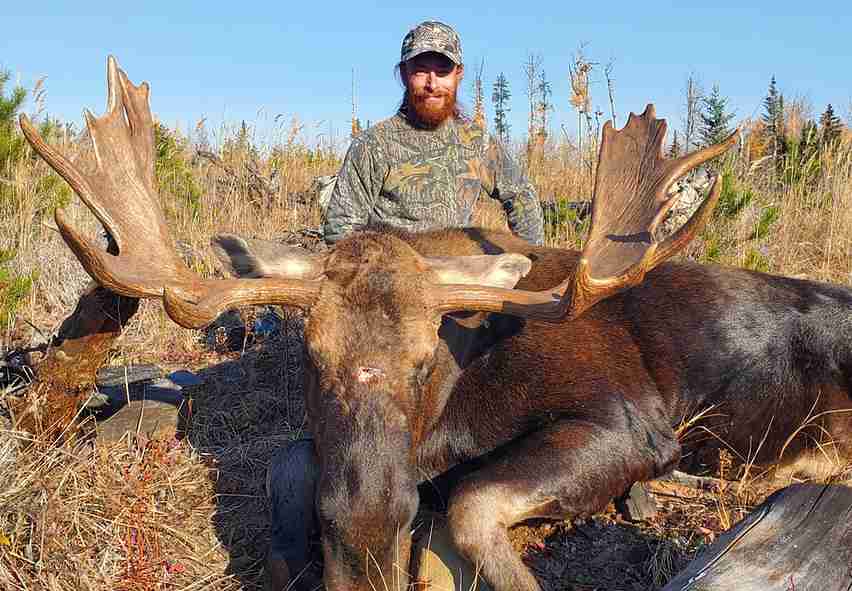
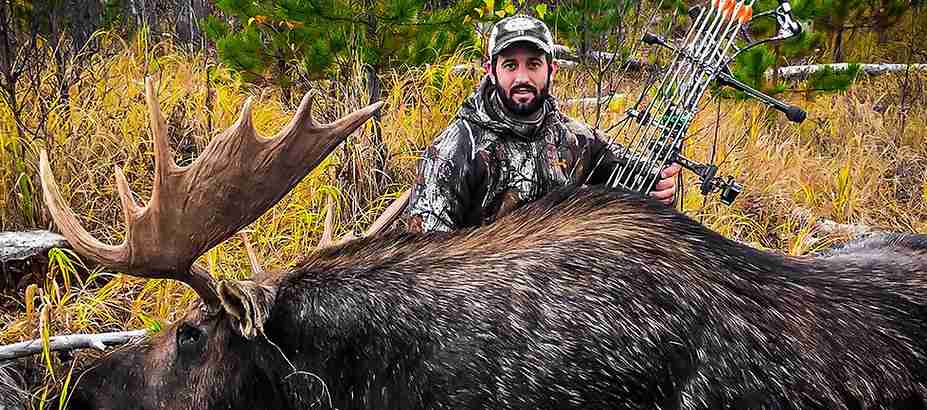

Not sure which hunt is right for you? Talk to our team — we’ll match you with the right trip.
Frequently Asked Questions
How hard is it to draw a moose tag?
In most US states, moose draw odds for non-residents are less than 1-5%. That’s why Canada is the best option — most Canadian outfitters have guaranteed tag allocations, so you don’t need to enter a draw. You book the hunt, you get a tag.
What caliber rifle should I bring for moose?
Moose are big, tough animals. We recommend a minimum of .30-06, with .300 Win Mag, .338 Win Mag, and 7mm Rem Mag being the most popular choices. Shot distances vary from 50 yards in thick timber to 300+ yards in open country, so bring a rifle you can shoot accurately at various ranges.
Can I bring the meat home?
Yes. A bull moose yields 500-700 pounds of boneless meat — enough to fill multiple freezers. Many hunters drive to their Canadian hunt specifically so they can bring all the meat home. If you fly, your outfitter can connect you with local processors and shipping services.
What’s the success rate on guided moose hunts?
Success rates vary by outfitter and area, but most quality guided operations run 60-90% opportunity rates (meaning you’ll have a chance at a legal bull). Actual harvest rates are typically 50-70%. Your success depends heavily on weather, shot opportunity, and personal marksmanship.
Do I need to be in great shape?
It depends on the hunt type. Boat-based Ontario hunts and road-accessible Alberta hunts are manageable for most adults. Backcountry and fly-in hunts require good cardiovascular fitness and the ability to hike with a pack. Be honest with yourself and talk to your outfitter — they’ll match you with the right hunt.
When should I book?
The best moose hunts book 6-12 months in advance, especially for September rut hunts. If you’re planning for this fall, book now. If you’re thinking about next year, early booking secures the best dates and pricing.
Is moose meat good?
Moose is widely considered one of the best-tasting wild game meats in North America. It’s lean, mild-flavored, and incredibly versatile — perfect for steaks, roasts, burgers, and sausage. Many hunters say once you’ve eaten moose, everything else is second best.
Ready to Hunt North America’s Biggest Game?
Browse our guided moose hunts across Alberta, Ontario, and beyond — and find the trip that fits your style and budget.
Browse All Guided Moose Hunts
Every moose hunt in our portfolio — across the western US, Canada, and beyond.
- Archery Moose Hunt — Alberta, Canada
CANADA | 9 Days | From $8,500 - Arctic Moose Hunt — Bathurst Inlet, Nunavut
CANADA | 7 Days | From $25,000 - Kamchatka Moose Hunting in Russia
KAMCHATKA PENINSULA RUSSIA | 7-10 Days | From $29,500 - Diy Moose Hunting in Ontario , Canada
ONTARIO, CANADA | 10 Day | $5,800 - Remote Moose Hunting in Alberta Canada
ALBERTA, CANADA | 10 Day | From $9,500 - Alberta Moose Hunting
ALBERTA, CANADA | 6-Day | From $8,500 - Archery Moose Hunting in Alberta Canada
ALBERTA, CANADA | 5 Day | $8,500 - Luxury Moose Hunting in Ontario , Canada
ONTARIO, CANADA | 10 Day | $15,000